Give your website a job to do
A company website earns its cost when it does a job: answers questions, filters leads, takes bookings. How to plan a site around the work it should do.
Every few years someone announces that websites are dead. First social media was going to replace them, then marketplaces, and now it's AI assistants. Yet when people want to check out a business before spending money with it, they still end up on its website. What has changed is what that website needs to be good at.
 Patrik Beneš · Founder8 min read
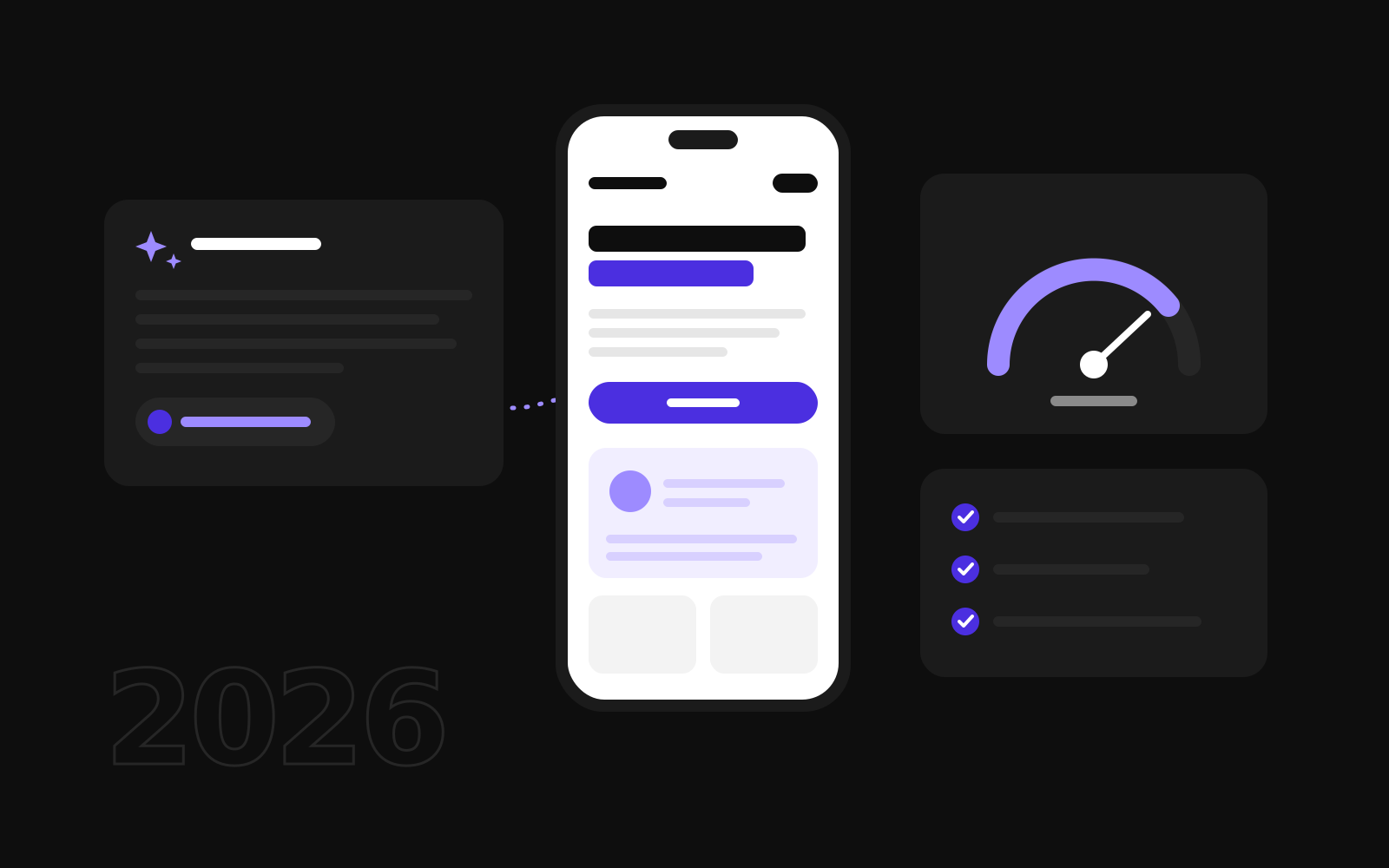
For a small business in 2026, three changes matter most:



AI assistants and search engines build their answers from content they can understand and trust. Luckily, what helps them is mostly what helps human readers too.
Writing for AI search mostly comes down to writing clearly. A language model gets as little out of vague marketing copy as your customers do.
A slow site loses visitors before it gets to say anything. Google's Core Web Vitals are a reasonable target, but there's a simpler test: open your site on an average phone over mobile data. If you find yourself waiting, so does everyone else.
Accessibility has also turned from a “nice to have” into a legal question. The European Accessibility Act has applied since June 2025 to many businesses selling products and services to consumers in the EU, including e-commerce. Even if it doesn't apply to you directly, the basics make the site better for everyone: readable contrast, real text instead of text in images, forms that work with a keyboard and alt text for images that carry meaning.
When we plan a new website or review an existing one, this is the list we start with:
| Area | Must have | Why |
|---|---|---|
| Clarity | What you do, for whom and how to start, visible on the first screen | Visitors decide in seconds |
| Mobile | Designed for phones first, tested on real devices | Most visits are on mobile |
| Speed | Optimised images, minimal scripts, good hosting | Slow sites lose visitors and rankings |
| Trust | Real projects, people, references, company details | Generic content is everywhere |
| Prices | At least a range or “from” price | Saves both sides time, filters leads |
| Contact | Short form that reliably arrives, plus an automatic reply | Lost inquiries are invisible losses |
| Search | Clean structure, one topic per page, schema markup | Search engines and AI answers rely on it |
| Legal | Privacy policy, cookie consent if you use tracking, company imprint | GDPR and local rules |
| Ownership | Your domain, your accounts, access to your data | You should never be locked in |
It's just as useful to know what to leave out. These often get budget but rarely make much difference for a small company:
You don't have to be on every platform. What you need is one place you own that explains clearly what you do, loads quickly, works on a phone and turns the right visitors into conversations. Social profiles and AI answers send people to it, and the website is where they make up their minds.
A company website earns its cost when it does a job: answers questions, filters leads, takes bookings. How to plan a site around the work it should do.
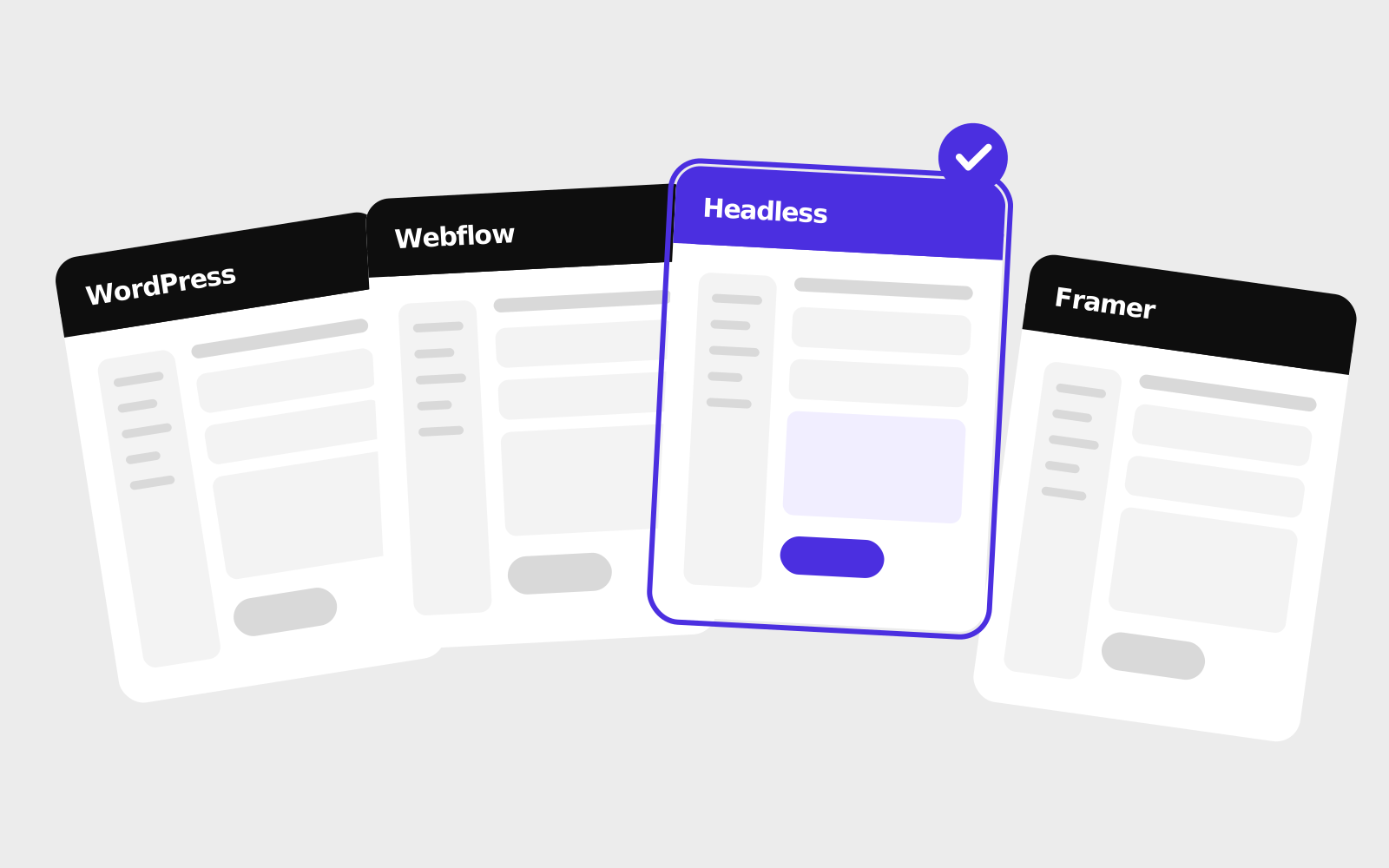
How WordPress, Webflow, Framer, headless CMSs and website builders compare in 2026, and how a small or mid-sized company can pick between them.
A CMS lets you edit your website yourself, but plenty of businesses never use one. How to tell whether it will save you money or just give you more to maintain.