Give your website a job to do
A company website earns its cost when it does a job: answers questions, filters leads, takes bookings. How to plan a site around the work it should do.
There are three ways to get a website. You can build it yourself in a website builder, have someone customise a template, or have it designed and built for you. Each of them makes sense for some businesses, so the useful question is which one fits where your business is right now.
 Patrik Beneš · Founder7 min read
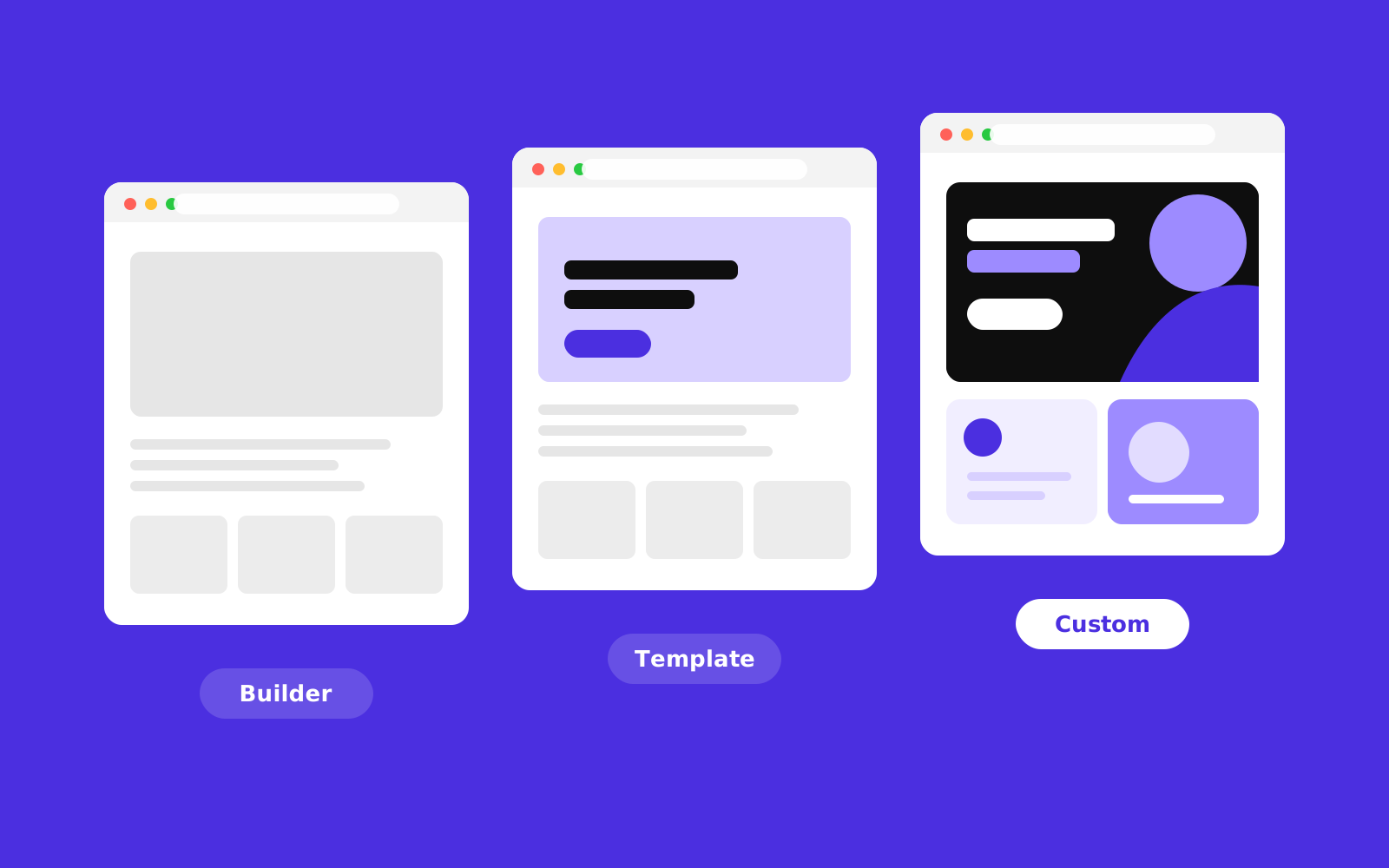
Wix, Squarespace, Framer, Shopify and similar tools let you pick a template, drag in your content and publish, often within a weekend.
Real cost: a monthly subscription plus your own time. People tend to underestimate the time: writing copy, choosing photos, fighting with layouts, setting up the domain and the forms.
Works well when: you're just starting, testing an idea, or the website plays a minor role in how you win customers.
Breaks down when: you need to stand out from competitors using the same templates, care about speed and search visibility, or need anything beyond standard features.
A freelancer or small agency takes a ready-made theme (often WordPress) and adapts it with your logo, colours and content.
Real cost: moderate upfront, plus maintenance. Templates are made to appeal to as many buyers as possible, so they ship with lots of features you won't use, and that often makes them heavy and slow.
Works well when: the budget is tight, a standard structure fits, and someone reliable will keep it updated.
Breaks down when: you try to bend the template into something it wasn't built for. Each customisation adds cost and makes the site more fragile, and the result rarely feels like your brand.
The site is designed around your business, your customers and your content, and then built for that specific design.
Real cost: traditionally the most expensive option, with agency projects taking months. That has changed in the last few years. With a standardised process and modern tools, a focused custom website can now be delivered in weeks for a fixed price.
Works well when: the website is an important sales channel, you need to look credible next to bigger competitors, or you need something specific like a booking system, configurator, calculator or listings.
Breaks down when: the scope isn't defined and the project drifts. For that reason a written, fixed scope matters more than the hourly rate.
| Website builder | Custom template | Custom build | |
|---|---|---|---|
| Upfront cost | Lowest | Low–medium | Medium–high |
| Your time | A lot | Some | Little |
| Uniqueness | Low | Low–medium | High |
| Speed & SEO control | Limited | Varies, often heavy | Full |
| Custom functions | Platform apps only | Plugins, often fragile | Built to fit |
| Lock-in | High | Low | Low (if you own the code) |
| Best for | Testing an idea | Tight budget, standard needs | Website as a sales tool |
Ask one question: how much business does the website influence? If the honest answer is “almost none”, start with a builder and spend the money elsewhere. If clients look at your website before they contact you (in most B2B and service businesses they do), then the website is part of your sales process and should be built with that in mind.
Whichever route you take, make sure you own the domain, have access to all the accounts, and get the scope and price in writing before any work starts.

A company website earns its cost when it does a job: answers questions, filters leads, takes bookings. How to plan a site around the work it should do.

Search is changing, AI assistants answer questions directly and visitors are on phones. Our checklist of what a small company website needs in 2026, and what it can do without.
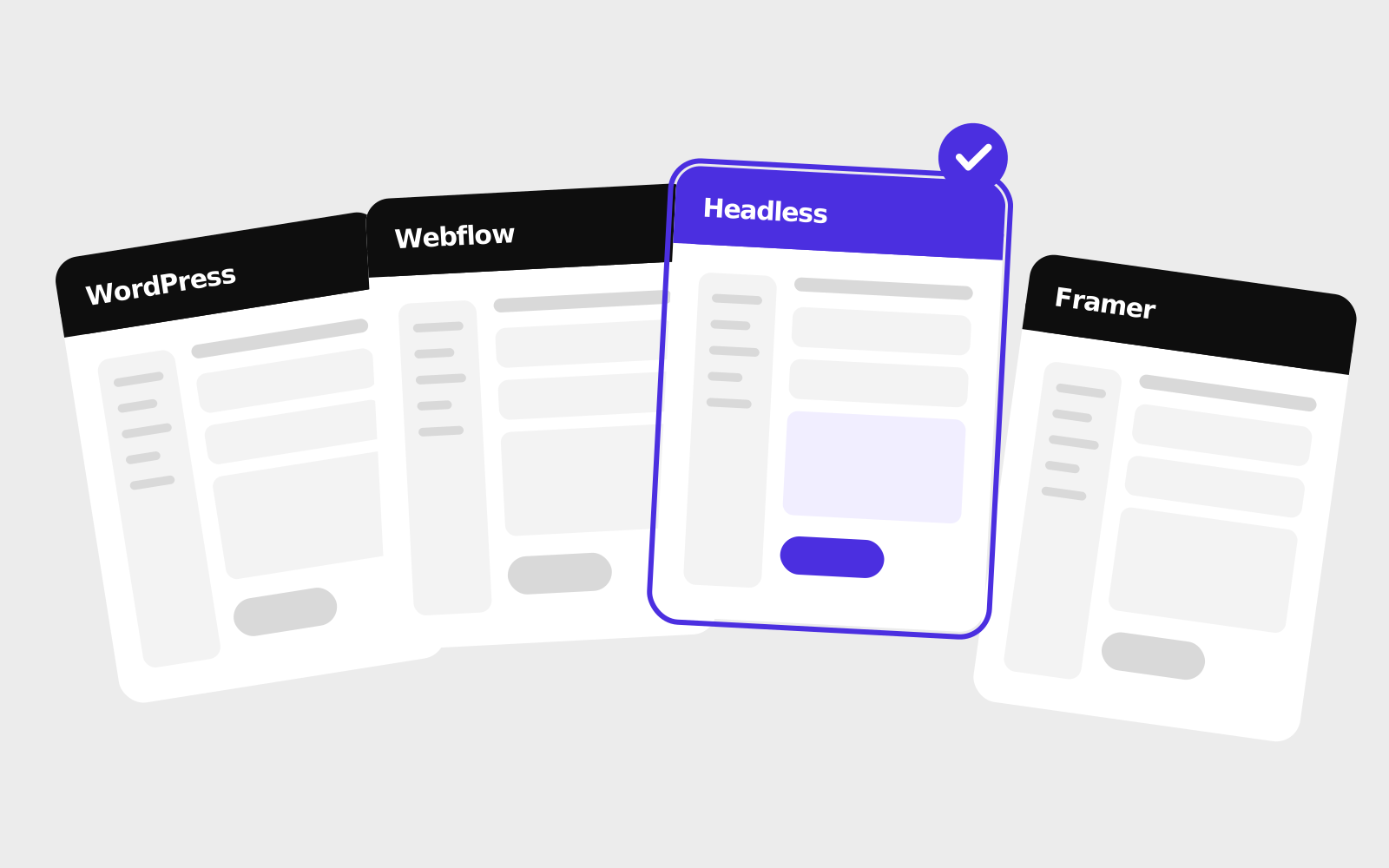
How WordPress, Webflow, Framer, headless CMSs and website builders compare in 2026, and how a small or mid-sized company can pick between them.